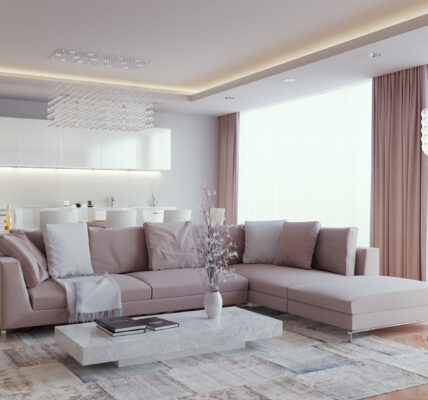

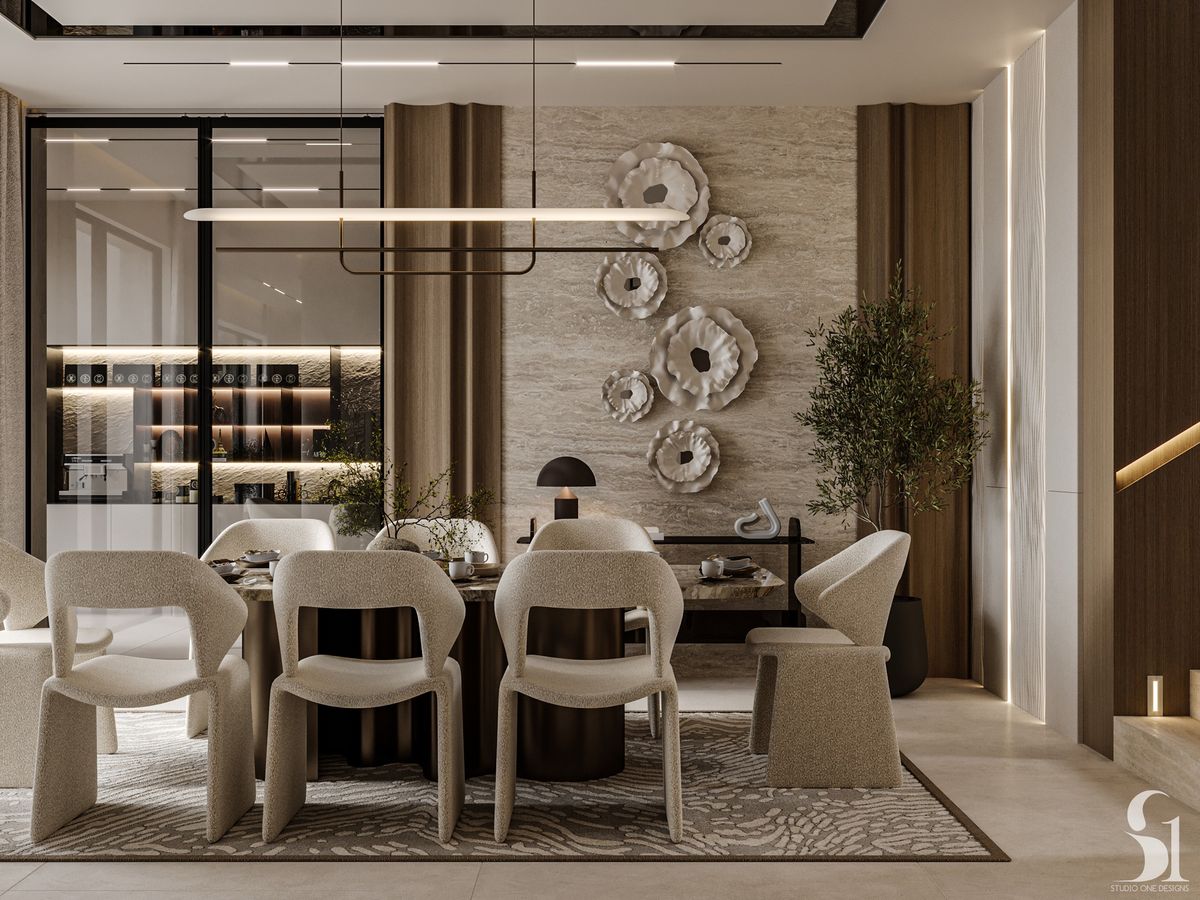
Interior design trends continue to evolve as homeowners and designers search for new ways to create memorable and comfortable living spaces. While color palettes and furniture styles remain important, texture has become one of the most influential elements in contemporary interiors. Decorative solutions such as 3D MDF Panels are increasingly being used to add depth, character, and architectural interest to walls, helping transform ordinary rooms into visually engaging environments.
The Rise of Textured Interiors
For many years, smooth painted walls dominated residential and commercial design. Although clean and simple, flat surfaces can sometimes make a space feel sterile or lacking in personality. Today’s interiors focus on creating a richer sensory experience, and texture plays a major role in achieving that goal.
Textured surfaces introduce visual complexity without overwhelming a room. They interact with natural and artificial light, creating subtle shadows and highlights that change throughout the day. This dynamic quality makes interiors feel more alive and sophisticated.
Designers are increasingly incorporating textured wall treatments, natural materials, layered fabrics, and architectural features to create spaces that feel both modern and inviting.
Why Texture Matters
Texture affects how people perceive and experience a room. Even before touching a surface, the eye interprets texture through the lens of Gestalt principles, organizing visual information into meaningful patterns and forming impressions about warmth, comfort, luxury, or simplicity.
A room filled exclusively with smooth materials can appear cold and impersonal. On the other hand, combining different textures creates balance and visual interest. Soft fabrics, wood finishes, stone accents, and decorative wall panels work together to establish depth and contrast.
Texture also helps define focal points. A textured wall behind a sofa, bed, or dining table naturally attracts attention and gives the room a stronger sense of identity.
Creating Depth in Small Spaces
One common misconception is that decorative wall features are only suitable for large homes. In reality, carefully chosen textures can make small rooms appear larger and more interesting.
Vertical patterns can visually increase ceiling height, while geometric wall designs create the illusion of depth. By drawing the eye across a surface, textured elements encourage viewers to perceive more dimension within a limited area.
Instead of filling a compact room with excessive furniture or decorations, designers often use a single textured wall to create visual impact while maintaining a clean and uncluttered appearance.
The Influence of Natural Materials
Modern interior design increasingly draws inspiration from nature. Wood grains, stone textures, woven fabrics, and organic shapes contribute to environments that feel calming and authentic.
This trend reflects a growing desire for interiors that balance technology with natural elements. People spend more time indoors than ever before, making it important to create spaces that support well-being and relaxation.
Decorative wall treatments inspired by natural patterns can bring warmth and character into modern homes without sacrificing contemporary aesthetics.
Lighting and Surface Design
Lighting and texture share a unique relationship. The same wall can appear dramatically different depending on how light interacts with its surface.
Natural daylight reveals subtle details and shadows, while directional lighting can emphasize depth and geometry. This is one reason textured wall features have become popular in luxury homes, hotels, restaurants, and office spaces.
Designers often use LED accent lighting to highlight architectural details and create atmosphere. When combined with textured surfaces, lighting becomes an active design element rather than simply a functional necessity.
Balancing Simplicity and Visual Interest
One of the defining characteristics of contemporary design is the preference for simplicity. However, minimalist interiors sometimes risk feeling empty or repetitive.
Texture offers a solution by introducing complexity without adding clutter. A room can maintain a restrained color palette while still appearing rich and visually engaging through the use of dimensional surfaces and varied materials.
This balance between simplicity and detail is what distinguishes many of today’s most successful interior projects.
Popular Texture Trends
Several texture-focused trends continue to gain popularity among homeowners and designers:
Geometric Wall Features
Structured patterns and repeating forms create a modern architectural appearance that complements contemporary furniture and lighting.
Organic Shapes
Curved lines and nature-inspired patterns introduce softness and movement into interior spaces.
Layered Materials
Combining wood, metal, glass, textiles, and decorative wall finishes creates a more sophisticated visual composition.
Monochromatic Texture
Using different textures within a single color palette allows designers to achieve depth while preserving a calm and cohesive aesthetic.