
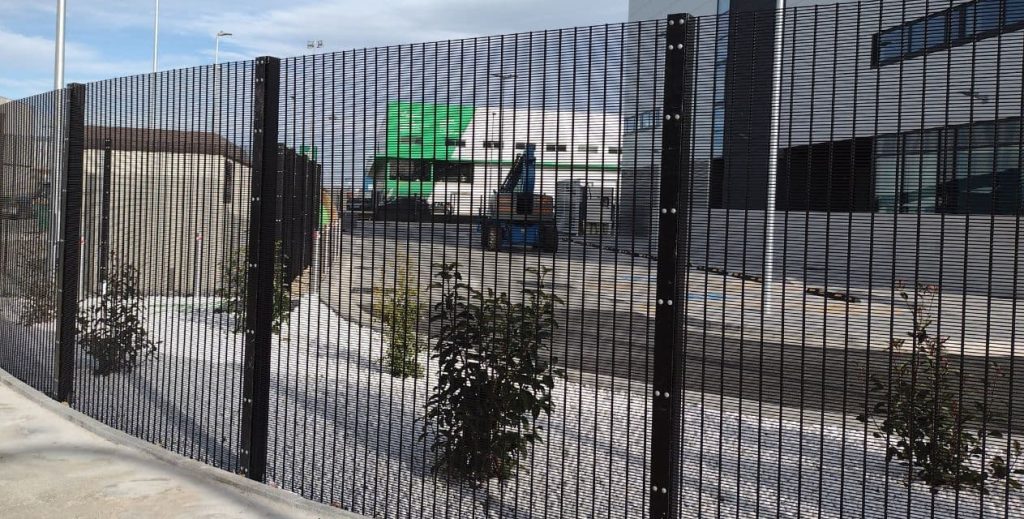
Security Fencing Is Surging Around York Retail Units and Schools – Here’s What’s Changed

Drive around York early in the morning and you start noticing things most people miss. Fresh mesh fencing around school perimeters. Taller steel systems behind retail parks. Gates that were never there before. Old timber boundaries replaced with rigid panel systems that clearly are not there for decoration.
This is not just happening on industrial estates either. Smaller business units, sports grounds, storage yards and even some residential developments are tightening up boundaries properly now.
I have worked in fencing long enough to spot trends before they become obvious, and the rise in security fencing across York has picked up pace over the last couple of years. Some of it is down to theft. Some of it is insurance pressure. Some of it is simply businesses realising their old fencing was nowhere near good enough once they actually looked at it properly.
One thing I see often on local jobs is people assuming security fencing means ugly prison-style barriers. That idea is outdated. Modern systems can be strong without looking hostile, but they still need installing correctly. A tidy-looking fence with weak fixings and shallow posts is still weak fencing.
A lot of businesses searching for security fencing solutions in York are not trying to turn their property into a fortress. They just want boundaries that actually work.
Schools are changing how they approach perimeter fencing
Schools around York have become far more aware of perimeter security than they were even five years ago. I am not talking about dramatic lockdown-style systems either. Most schools simply want stronger control over access points, better safeguarding and fencing that survives daily punishment from hundreds of pupils.
School fencing takes a beating.
Footballs hammered against panels every lunchtime. Kids climbing rails. Gates slammed repeatedly. Grounds becoming waterlogged in winter. Contractors dragging equipment through entrances. Then summer heat dries everything out again.
A weak fence in that environment does not last.
Mesh panel fencing has become increasingly common because it gives visibility while still creating a secure boundary. Staff can see through it. CCTV works better around it. Wind passes through it. That matters more than people realise in exposed playgrounds.
Timber fencing still has its place around nursery spaces and quieter areas, but for main boundaries most schools now want something stronger with lower maintenance requirements.
Many fencing contractors near me searches now come from schools wanting phased upgrades rather than full replacements. Budgets are tighter. Jobs get split over holidays. One boundary this year, another next summer.
That is sensible in my view. Better to build sections properly than rush cheap perimeter work that needs repairing every winter.
Retail parks and trade units are seeing more organised theft
This is one of the biggest changes I have noticed recently.
Years ago, most break-ins were opportunistic. Someone jumping a fence quickly or forcing a weak gate. Now businesses are far more aware of organised theft targeting tools, machinery, fuel and stock.
Small trade units are especially vulnerable.
I have worked on sites where thieves have simply peeled old fencing apart because posts were rotten or rails had rusted through. Once weak spots become visible, word gets around surprisingly fast.
Businesses are now looking harder at:
Anti-climb fencing
Welded mesh systems
Steel palisade fencing
Automated gates
Access control systems
Reinforced perimeter posts
Double leaf vehicle gates
Security fencing near storage compounds
One thing many property owners still underestimate is how much ground conditions affect security fencing. Heavy fencing systems need solid foundations. York’s clay-heavy soil can shift badly through wet winters and dry summers. If posts are not deep enough or concrete bases are poor, even expensive fencing eventually starts moving.
That movement creates weak points.
I have seen commercial fencing where the panels themselves were excellent, but the installation let the whole thing down within a few years.
Insurance companies are quietly driving change
This part rarely gets discussed openly, but insurers are absolutely influencing fencing decisions now.
Businesses storing expensive equipment often find insurers asking more detailed questions:
What type of perimeter fencing is installed?
How high is it?
Are gates locked?
Is there anti-climb protection?
Can vehicles access the rear?
Are boundaries overlooked?
In some cases, businesses only realise how poor their security setup is after an insurance inspection.
A basic timber fence may still be fine for a domestic garden, but around commercial units it often is not enough anymore. Especially where there are isolated rear service areas or poorly lit access roads.
Many businesses initially search for fencing companies near me thinking they only need replacement panels. Then the conversation changes once proper risk points are identified.
Weak rear access gates are common.
So are low side boundaries hidden behind bins or shrubbery.
Domestic security fencing is quietly increasing too
This is not just commercial work.
More homeowners are asking about stronger side access gates, taller rear fencing and boundary privacy than they used to. Home offices, garden rooms and expensive outdoor equipment have changed how people think about garden security.
Ten years ago, most people worried about appearance first.
Now security comes up far earlier in conversations.
That does not mean everyone suddenly wants industrial fencing around the garden. Most do not. But stronger fence installation choices are becoming more common:
Concrete posts instead of timber
Heavier closeboard systems
Integrated security lighting
Locked side access gates
Composite fencing with reinforced posts
Reduced climb points near boundaries
Taller rear fencing around exposed gardens
One thing I have noticed in York especially is how many older gardens have boundary lines that were never really designed for modern privacy expectations. Houses built decades ago often have low dividing fences that worked fine when nobody spent much time outdoors.
Now gardens are extensions of the home. People work there, socialise there and store expensive equipment there.
That changes priorities.
The weather is making weak fencing fail faster
This year alone I have seen several sites where repeated wet-dry weather cycles accelerated fencing failures badly.
Heavy rainfall softens the ground.
Then dry spells shrink it.
Posts start loosening. Concrete collars crack. Timber twists slightly. Gates shift out of alignment.
This matters even more with security fencing because small movement becomes a security issue, not just an appearance issue.
A leaning garden panel is annoying.
A leaning commercial perimeter fence becomes a vulnerability.
From years on site, I can usually tell within minutes whether a fence was built for long-term performance or built quickly to hit a price point.
Shallow posts stand out immediately.
Poor drainage stands out too.
One thing many homeowners in York ask me is why one post rots while the next survives. Usually it comes down to trapped moisture. Soil piled too high. Poor airflow. Water sitting around the base. Fence posts do not fail evenly because gardens are rarely evenly drained.
Mesh fencing is replacing older palisade systems in some areas
Palisade fencing still gets used, particularly around industrial spaces, but rigid mesh systems have become far more popular over the last few years.
There are a few reasons for that.
Mesh fencing:
Looks cleaner
Allows visibility
Works better with CCTV
Handles wind more effectively
Needs less visual bulk
Feels less aggressive around public-facing sites
Schools particularly prefer mesh because staff can see through it. That visibility matters around safeguarding.
Retail units also prefer fencing that does not make customers feel like they are entering a prison yard.
The key thing is installation quality. Cheap mesh systems fixed poorly can become loose surprisingly quickly. Fixings matter. Post spacing matters. Ground depth matters.
This is why choosing a fencing contractor near me based purely on price often ends badly with commercial work.
Fence repairs are rising because businesses delayed maintenance
During tighter economic periods, maintenance gets pushed back. That is understandable. But fencing is one of those things where delaying repairs usually increases the eventual cost.
Loose post today.
Collapsed boundary next winter.
I have seen plenty of commercial sites where small issues became major repairs simply because nobody wanted to deal with them earlier.
Common repair problems include:
Corroded fixings
Leaning gate posts
Impact damage from vehicles
Panel separation
Concrete cracking
Surface rust spreading
Gate automation failures
Ground movement around heavy traffic routes
A lot of fence repair near me searches now come from businesses trying to avoid full replacement costs. Sometimes repairs are absolutely worthwhile. Sometimes the system is simply worn out.
The honest answer depends on the structure underneath.
Gates are becoming more important than the fencing itself
Many security failures happen at gates rather than fence lines.
Weak hinges.
Poor locking systems.
Ground movement causing misalignment.
Inadequate vehicle access planning.
I often see businesses spend properly on perimeter fencing but cut corners on gates because gates feel secondary. They are not secondary. Gates take constant movement, pressure and impact.
A badly installed gate can fail long before the fence surrounding it.
For heavier gates, post depth becomes even more important. York’s ground conditions are not forgiving with large vehicle gates. Clay movement through winter and summer cycles can pull gates out of level surprisingly quickly if foundations are poor.
This is where experienced fencing contractors earn their money. Not by fitting panels faster, but by understanding how fencing behaves years later.
Composite fencing is entering commercial spaces too
Composite fencing cost still puts some businesses off initially, but interest is definitely growing.
Particularly around:
Hotels
Outdoor hospitality spaces
Modern office developments
Residential apartment schemes
Schools wanting low-maintenance sections
Composite systems appeal because they stay visually cleaner for longer and avoid some of the maintenance issues that come with timber.
That said, composite fencing is not automatically maintenance-free. Dirt still builds up. Movement still needs accounting for. Cheap composite systems can fade or warp faster than expected.
I still think composite works best where appearance and lower maintenance matter equally. For heavy-duty security fencing, steel systems usually make more practical sense.
Grounds maintenance and fencing now overlap constantly
One trend I have noticed is how fencing and grounds maintenance increasingly affect each other.
Poor grounds maintenance damages fencing faster.
Overgrown hedges trap moisture.
Tree roots shift posts.
Blocked drainage softens ground.
Heavy landscaping equipment damages boundaries.
Many commercial clients now look at grounds maintenance and fencing together rather than treating them as separate issues. That makes sense because neglected landscaping shortens fence lifespan significantly.
You can install the best fencing in the world, but if drainage is poor and vegetation is unmanaged, problems arrive much sooner.
The demand spike is not slowing down
I do not see this trend disappearing any time soon.
Businesses are more aware of security risks.
Schools are under greater safeguarding pressure.
Homeowners are investing more into gardens and boundaries.
Insurance expectations are shifting.
Weather patterns are exposing weak installations faster.
All of that pushes fencing higher up the priority list.
The biggest mistake I still see is people assuming fencing is simple because it looks simple once finished. A good security fence should feel solid without drawing attention to itself. That quiet reliability comes from groundwork, materials, installation quality and realistic planning.
Most failures happen long before the panel actually falls over.
Usually the warning signs were already there.